
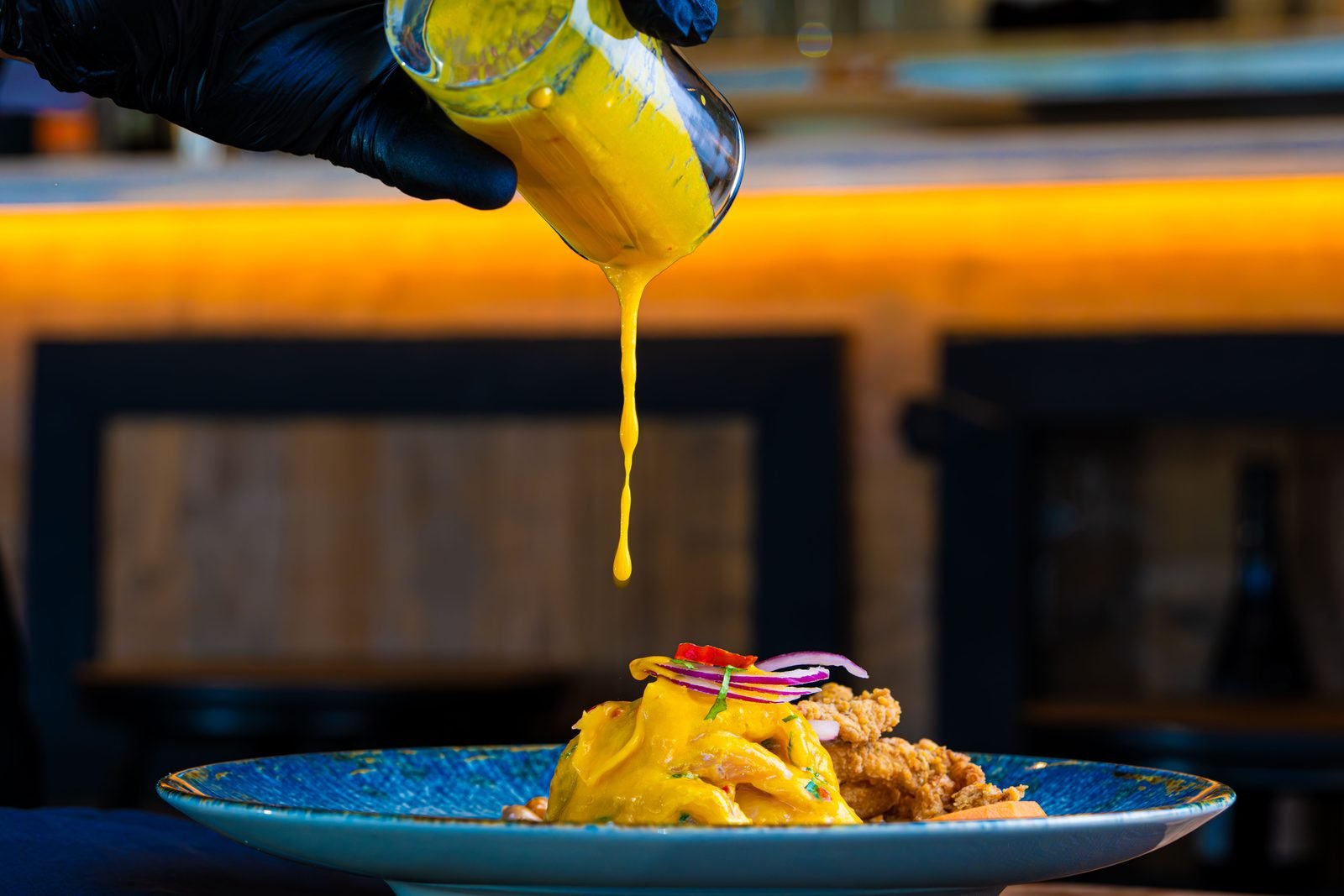
Open almost any bottle of salad dressing or tub of dairy-free yogurt and you'll find a thickener or stabilizer somewhere in the ingredient list. They're some of the most common additives in the food supply — and some of the least understood.
What Thickeners Actually Do
Many packaged sauces and dairy alternatives rely on Hydroxyethyl Cellulose (E1525) and similar cellulose derivatives to keep their texture consistent from the first spoonful to the last, preventing the watery separation you'd otherwise see over time on a shelf.
- Preventing ingredients from separating
- Creating a consistent, pourable texture
- Improving mouthfeel in low-fat products
Common Types You'll See on Labels
| Type | Typical use |
|---|---|
| Cellulose derivatives | Sauces, dairy alternatives |
| Gums (xanthan, guar) | Dressings, gluten-free baking |
| Starches | Soups, gravies |
Are They Something to Avoid?
Not inherently — most thickeners in wide use, including the one linked above, are rated Generally Safe. As always, check the specific additive's page for the current rating and sourcing.
Frequently Asked Questions
Are thickeners bad for you?
Most common food thickeners, including cellulose derivatives and plant-based gums, are generally recognized as safe at typical use levels. Check the individual additive's page for its specific safety rating.
Why do manufacturers use thickeners instead of just less liquid?
Thickeners let manufacturers control texture independently of a recipe's actual water content, which keeps flavor and cost consistent while preventing separation on the shelf.